App Logo

Experience the
Untamed Wild

Explore the wild side of Rajasthan with Junglesafar! We are local experts specializing in customized Jeep safaris, premium stays, and unforgettable wildlife photography tours.

Govt. Approved
Est. 2021
Expert Guides
24/7 Local Support

Our Expertise

Everything You Need
For The Perfect Trip

Jeep & Canter Jungle Safari

Experience customized 6-seater Jeep and 20-seater Canter safaris with local naturalists.

Luxury & Budget Hotel Bookings

From heritage luxury to budget-friendly stays near Ranthambhore gates.

Chambal River Boat Safari

Boat rides with sightings of gharials, crocodiles, and migratory birds.

Wildlife Photography Tours

Curated tours focused on tiger photography angles, timings, and light.

Premium Taxi & Transport

Air-conditioned pickup/drop from Jaipur, Agra, and Delhi.

Ancient Wildlife

Old Age Animals That Once Roamed The Earth

Prehistoric animals.

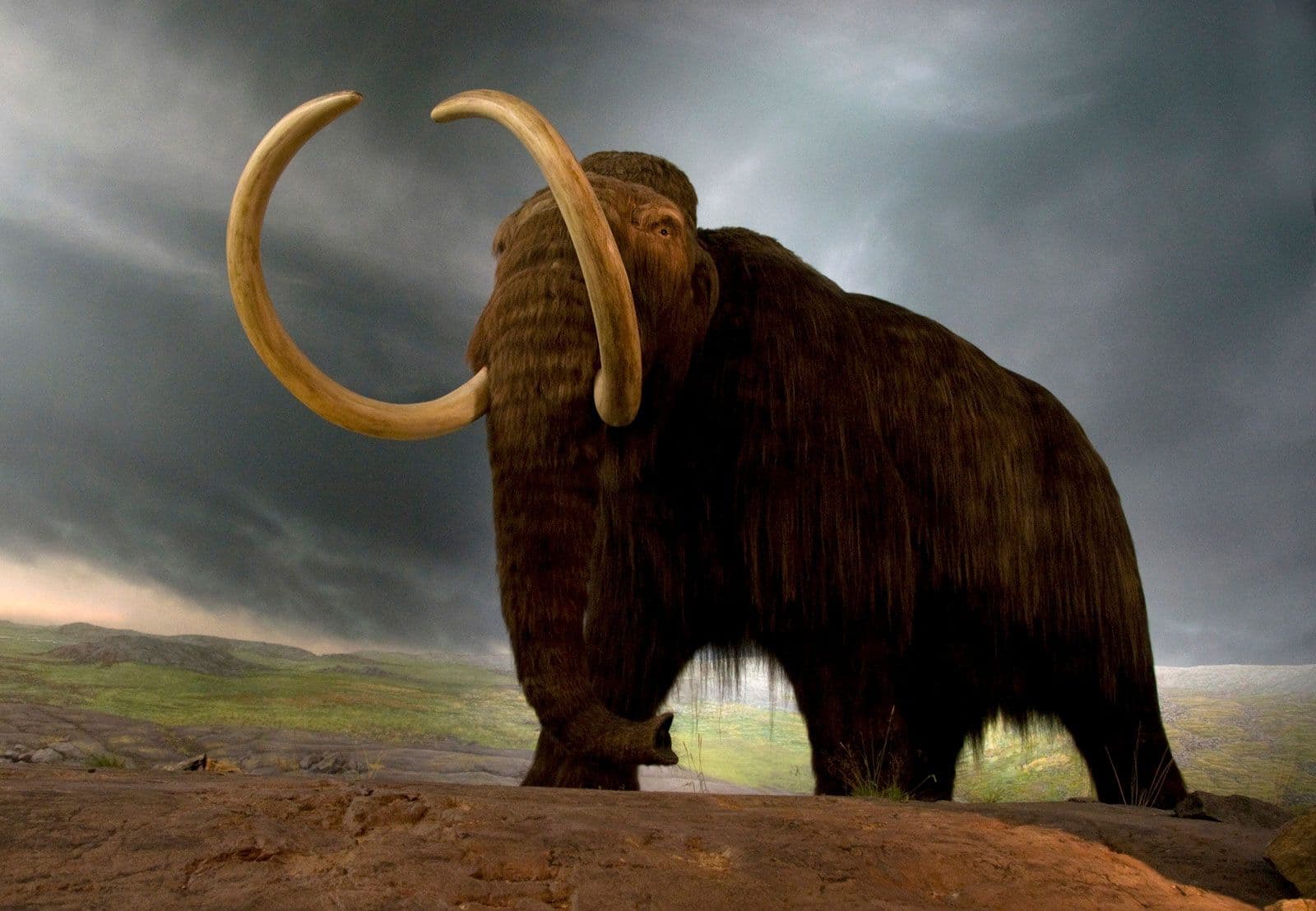
Woolly Mammoth (Mammuthus primigenius)

Pleistocene Era (Ice Age)

Woolly Mammoth (Mammuthus primigenius)

The Woolly Mammoth was a colossal herbivore that roamed the frozen tundras during the Ice Age. Closely related to modern Asian elephants, they were perfectly adapted to survive in extreme cold. Their bodies were covered in two thick layers of fur, and a substantial layer of fat beneath their skin provided insulation against temperatures as low as -50 degrees. Their most iconic features were their massive curved tusks, which could grow up to 15 feet long. These tusks were used for clearing snow to find vegetation, fighting rivals, and self-defense against predators like saber-toothed cats. Mammoths lived in herds and primarily grazed on grasses, sedges, and shrubs. They went extinct around 4,000 years ago, likely due to a combination of climate change and overhunting by early humans. Today, scientists are actively studying their well-preserved DNA found in permafrost.
Saber-toothed Cat (Smilodon)

Pleistocene Epoch

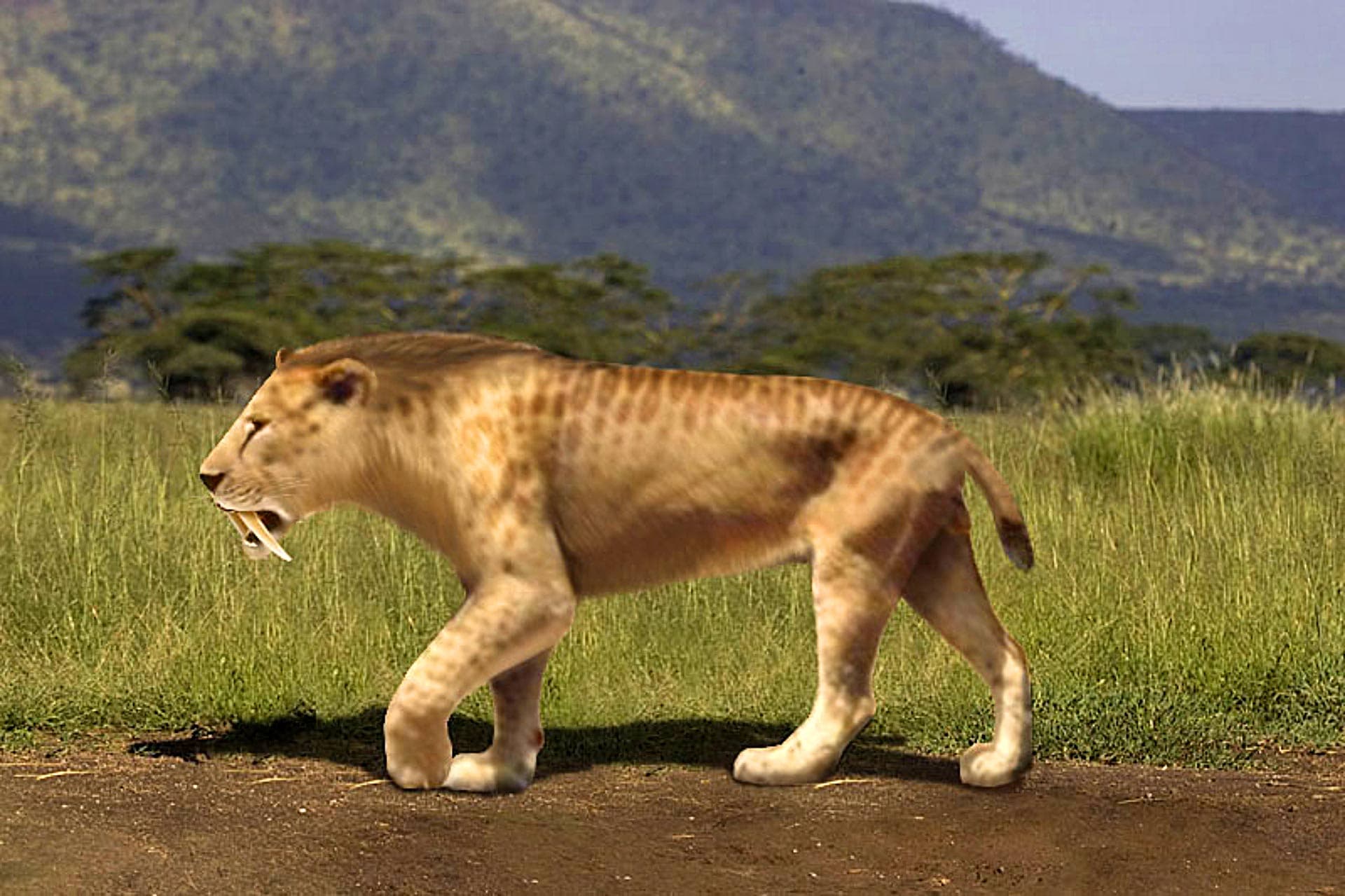
Saber-toothed Cat (Smilodon)

The Saber-toothed Cat, specifically the Smilodon, was one of the most fearsome predators of the prehistoric world. It is instantly recognizable by its elongated, sword-like canine teeth, which could measure between 7 to 11 inches in length. Unlike modern big cats, the Smilodon had a jaw that could open up to an astonishing 120 degrees, allowing it to deliver fatal bites to large prey such as bison and young mammoths. These predators relied on immense upper-body strength rather than speed. Their robust forelimbs were built to wrestle prey to the ground before delivering a precise, killing bite to the neck. Although often called 'Saber-toothed Tigers,' they were not closely related to modern tigers. They dominated the grasslands of North and South America, likely hunting in packs using ambush tactics.

Tyrannosaurus Rex (T-Rex)

Late Cretaceous Period

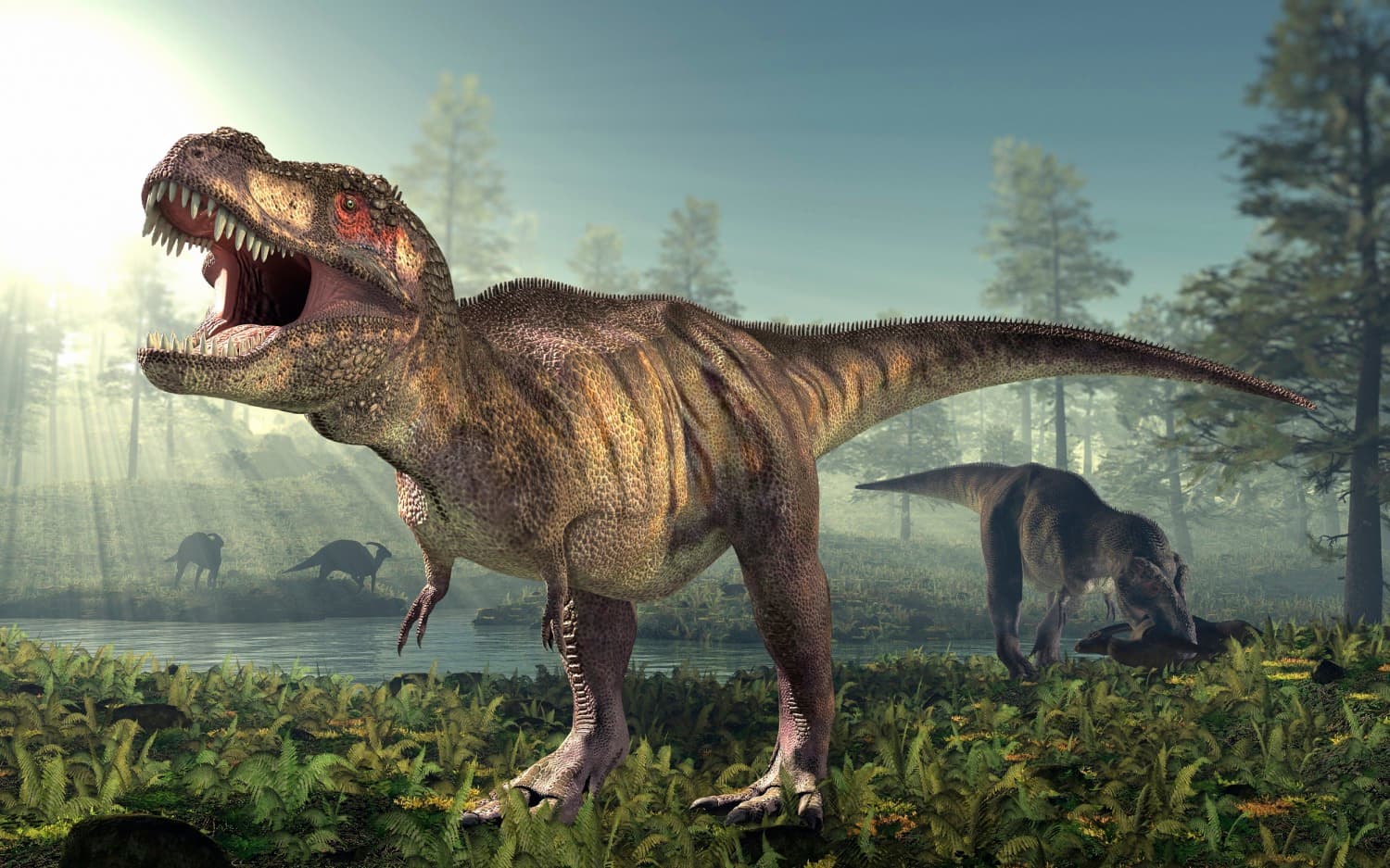
Tyrannosaurus Rex (T-Rex)

The Tyrannosaurus Rex, often called the 'King of Dinosaurs,' was one of the largest land carnivores to ever exist. Its massive skull and powerful jaws delivered the strongest bite force of any terrestrial animal, capable of crushing bone with ease. While its tiny, two-fingered forelimbs appear comical, they were incredibly strong and likely used to hold onto struggling prey or mates. The T-Rex stood on two muscular hind legs, which allowed it to move with surprising agility for its size. As an apex predator, it hunted large herbivores like the Triceratops and Edmontosaurus. Recent studies suggest its vision was superior to that of a hawk, making it an excellent hunter. The T-Rex vanished during the mass extinction event approximately 66 million years ago caused by a massive asteroid impact.

Megalodon (Otodus megalodon)

Miocene to Pliocene

Megalodon (Otodus megalodon)

The Megalodon was the largest shark in Earth's history, growing up to three times the size of a modern Great White Shark. Reaching lengths of 50 to 60 feet, this colossal predator ruled the prehistoric oceans. Its name translates to 'Big Tooth,' a fitting title given that its serrated teeth were larger than a human hand. The Megalodon sat at the very top of the marine food chain, feeding primarily on whales and other large marine mammals. Its bite force was strong enough to crush a whale's skull. Unlike modern sharks that inhabit colder waters, the Megalodon preferred warmer oceans. As global temperatures cooled and whales migrated to polar regions, the Megalodon could not follow, leading to its gradual extinction. Today, only its teeth and vertebrae remain as evidence of its reign.

Triceratops

Late Cretaceous Period

Triceratops

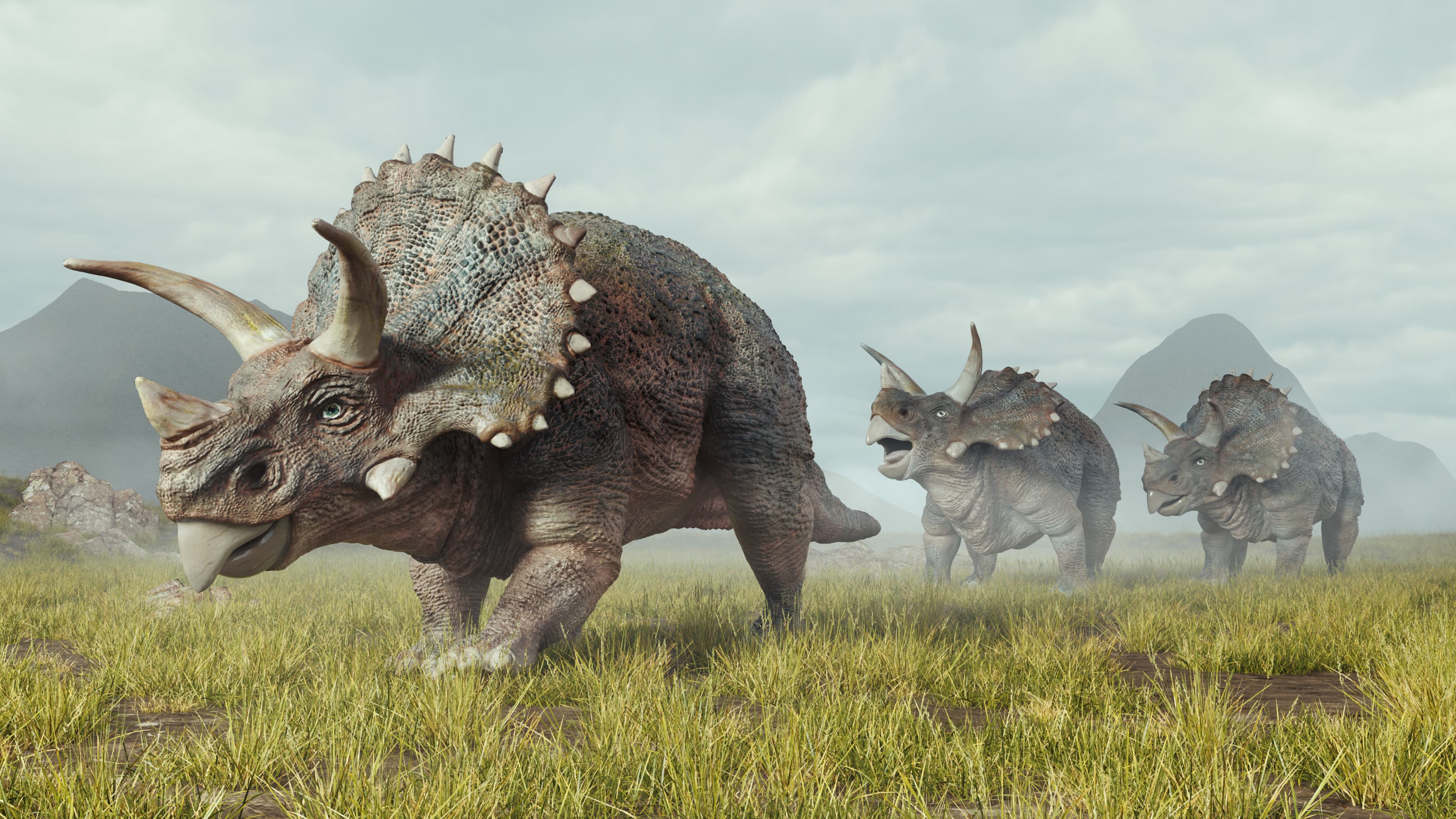
The Triceratops is one of the most recognizable dinosaurs, famous for its three distinctive facial horns and a large bony frill protecting its neck. Resembling a gargantuan rhinoceros, this herbivore was larger than an elephant. It possessed two long brow horns and a shorter horn on its snout. These formidable weapons were not just for defense against predators like the T-Rex but were also likely used in dominance battles with other Triceratops. The large frill was covered in blood vessels, suggesting it could change color to regulate body temperature or attract mates. They were herd animals that grazed on tough, low-lying vegetation using their sharp, beak-like mouths. Fossils suggest they lived alongside the T-Rex until the very end of the dinosaur age.

Giant Ground Sloth (Megatherium)

Pliocene to Pleistocene

Giant Ground Sloth (Megatherium)

The Megatherium, or Giant Ground Sloth, was a distant ancestor of modern sloths but grew to the size of an elephant. It was one of the largest land mammals ever to exist. Unlike today's slow, tree-dwelling sloths, the Megatherium walked on the ground. Its massive, curved claws allowed it to pull down high tree branches and defend itself against predators. Uniquely, it could stand on its hind legs and use its thick tail for balance to reach vegetation that other herbivores couldn't access. Its skin contained small bony armor plates (osteoderms), making it difficult for predators to penetrate. Despite its intimidating size and claws, it was a gentle herbivore inhabiting the woodlands and grasslands of South America until its extinction around 10,000 years ago.

Velociraptor

Late Cretaceous Period

Velociraptor

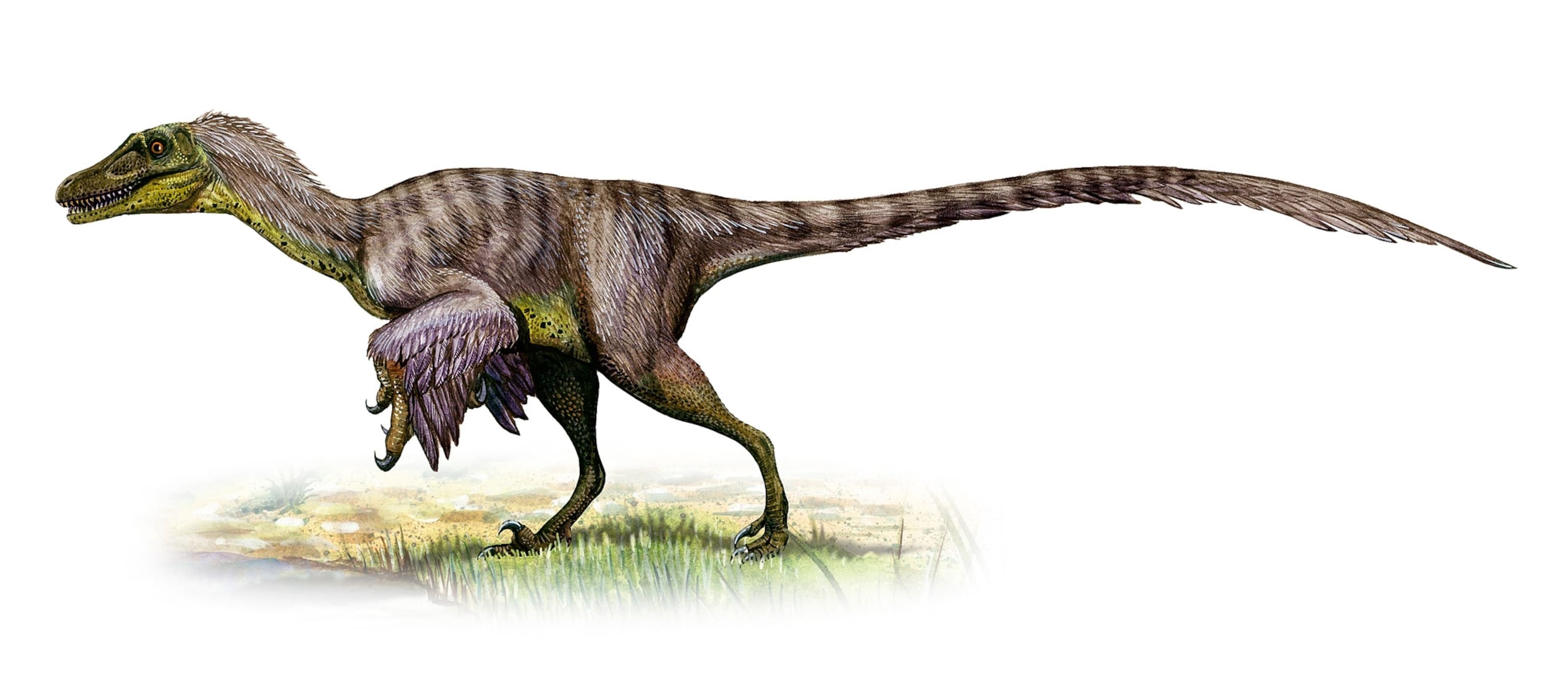
Contrary to its portrayal in movies like Jurassic Park, the real Velociraptor was a small, turkey-sized dinosaur covered in feathers. However, its size did not make it any less dangerous. It was a swift, agile, and intelligent predator. Its primary weapon was a large, sickle-shaped retractable claw on each foot, used to slash and pin down prey. Velociraptors had a large brain relative to their body size, indicating high intelligence and possibly complex social behavior. While the debate continues on whether they hunted in coordinated packs, they were undoubtedly effective hunters of small reptiles, amphibians, and smaller dinosaurs. Their fossils have been found in the Gobi Desert, preserving evidence of their bird-like anatomy.

Dodo (Raphus cucullatus)

Holocene (Extinct in 17th Century)

Dodo (Raphus cucullatus)

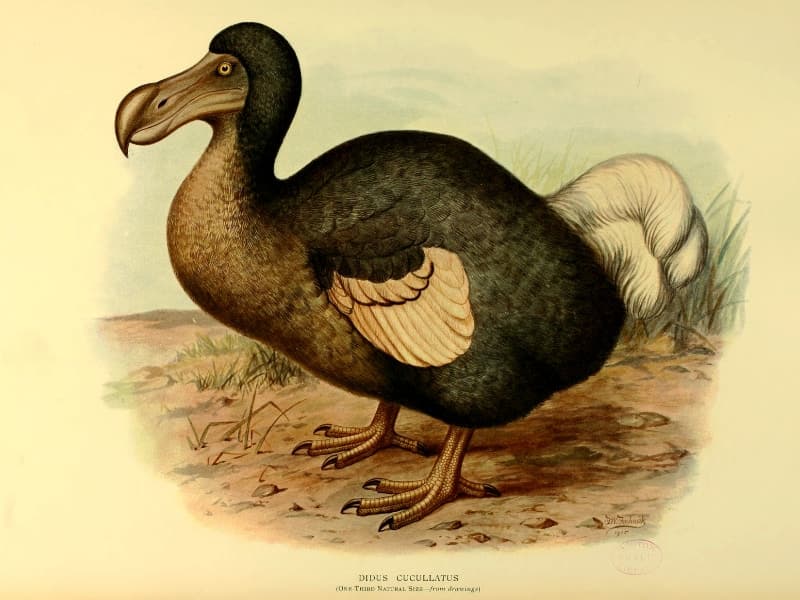
The Dodo was a flightless bird endemic to the island of Mauritius in the Indian Ocean. Evolving in an environment with no natural predators, the Dodo lost the ability to fly and nested on the ground. It was a fearless bird that did not run from humans, a trait that tragically led to its rapid extinction. When sailors arrived on the island in the 17th century, they brought invasive species like dogs, pigs, and rats, which preyed on Dodo eggs and chicks. Combined with hunting by humans, the Dodo was wiped out by 1681, less than a century after its discovery. Weighing around 20kg, it primarily ate fruit. Today, the Dodo stands as the ultimate symbol of human-induced extinction.

Pterodactyl (Pterosaurs)

Late Jurassic Period

Pterodactyl (Pterosaurs)

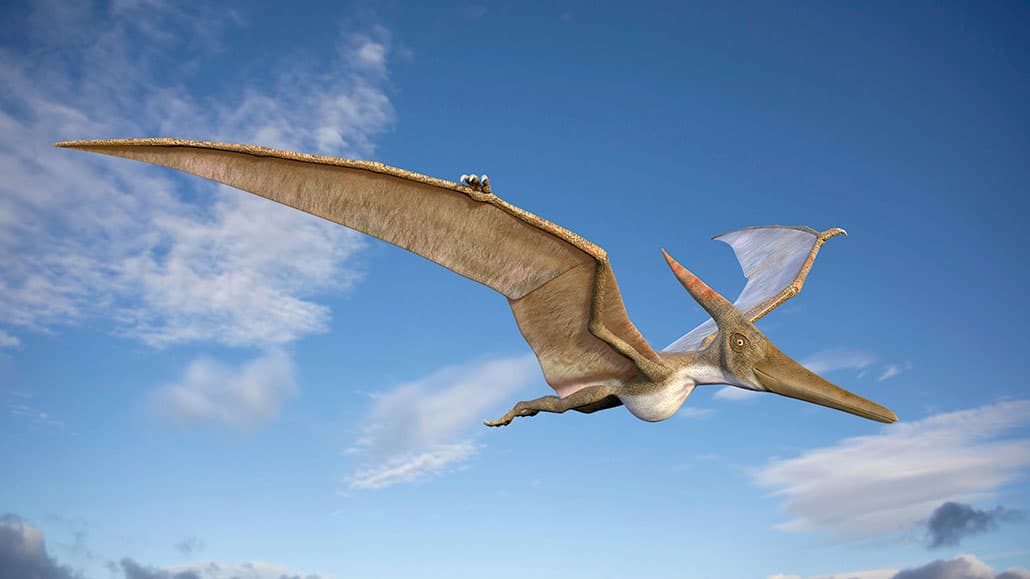
Pterodactyls were not dinosaurs but rather flying reptiles known as Pterosaurs. They were the first vertebrates to evolve powered flight. Their wings were formed by a membrane of skin, muscle, and other tissues stretching from the ankles to a dramatically elongated fourth finger. Pterodactyls varied greatly in size, from as small as a sparrow to as large as a fighter jet. They were primarily piscivores (fish-eaters) and hunted by skimming over the water's surface. Their bones were hollow and air-filled, keeping them lightweight for flight. Many species sported elaborate head crests, likely used for display during mating rituals. Like the non-avian dinosaurs, they went extinct 66 million years ago.

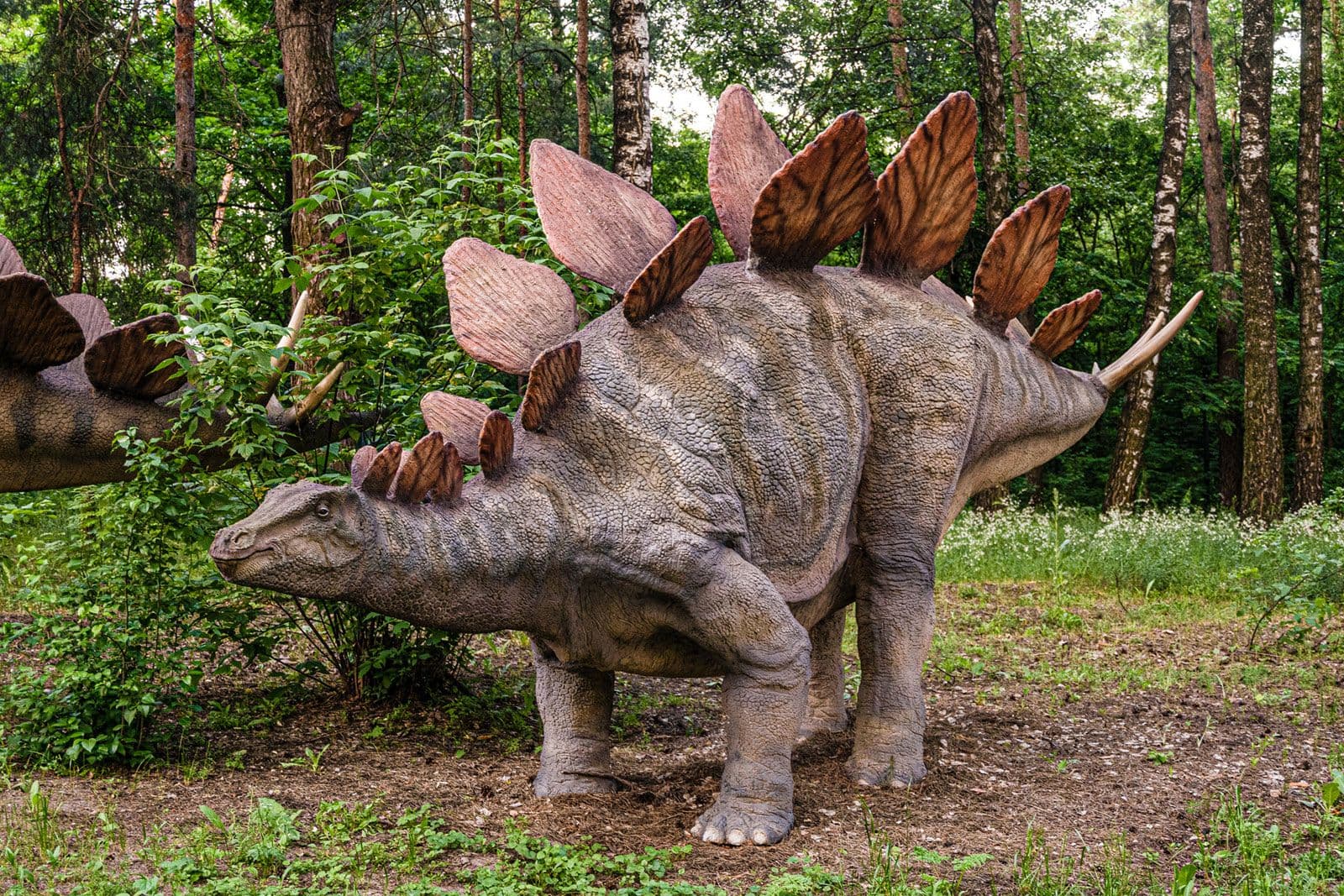
Stegosaurus

Late Jurassic Period

Stegosaurus

The Stegosaurus is famous for the double row of large, kite-shaped bony plates running along its back and the four sharp spikes on its tail, known as a 'thagomizer.' The plates were not attached to the skeleton but embedded in the skin. While they offered some protection, scientists believe they were primarily used for thermoregulation (pumping blood through them to cool down or warm up) or display. The tail spikes, however, were deadly defensive weapons used against predators like Allosaurus. Despite its bus-like size, the Stegosaurus had a brain only the size of a walnut, making it one of the least intelligent dinosaurs. It was a slow-moving low-browser, feeding on ferns and mosses.

Advertisement SpaceAuto-Ads will appear here

Top Rated

Popular Safari Packages

Request Custom Package

Ranthambore Tour Package For 2 Days 1 Night With Canter

2 Day

Secure Booking Available

Tiger Trail Photography Tour

2 Nights / 3 Days

3 dedicated safaris, premium stay, and photography-optimized timing.

Secure Booking Available

Golden Triangle + Ranthambhore

5 Nights / 6 Days Combo Tour

Delhi, Agra, Jaipur, and Ranthambhore safari in one route.

Secure Booking Available

Tiger Trail Photography Tours

2 Nights / 3 Days

3 dedicated safaris, premium stay, and photography-optimized timing.

Secure Booking Available

Ranthambhore Fort & Jungle Experience

Full Day

Half-day safari plus UNESCO Ranthambhore Fort experience.

Secure Booking Available

Morning Jeep Safari Explorer

3 hrs wildlife ride

Early morning tiger tracking, professional guide, zone selection assistance.

Secure Booking Available

Travel Diary

Latest Safari Guides

View All Guides

Start Planning Your Rajasthan Adventure

Contact Junglesafar directly for guaranteed safari permits, premium hotel combos, and honest local advice.

Get Free Custom Quote